 Purchase Tickets

Almost everyone today knows them inside and out (literally, if you’ve ever made a jack-o’-lantern), but like many of the garden-variety vegetables available in grocery stores around the world today, the humble pumpkin has a surprisingly interesting history.
Pumpkins are in the family Cucurbitaceae – a real mouthful, it’s pronounced “cue-curb-i-tay-see” – along with other famous fruits like melons and cucumbers. That’s the first secret this unassuming orange enigma conceals: botanically-speaking, pumpkins, and all squashes, are fruits. A fruit is always the result of a pollinated flower, and all natural fruits produce seeds. What constitutes a vegetable is really a matter of culinary debate, but typically they’re roots and shoots – carrots and broccoli, for example – but anything with seeds is technically a fruit.
As if that revelation wasn’t shocking enough, pumpkins are also pretenders of another order altogether: they’re not even a real species. Pumpkins as we know and love them are just one variety of Curcubita pepo – but so are zucchinis, yellow crookneck squash, and pattypan squash, just to name a few. They’re all the same species! Human ingenuity is responsible for diversifying them over thousands of years into “endless forms most beautiful and most wonderful,” to quote Charles Darwin, who researched pumpkins extensively for his book The Movements and Habits of Climbing Plants. This domestication process is responsible for almost all recognizable produce today, from pineapples to watermelons to cabbages, similar to how all breeds of dog were domesticated from ancient wolves.
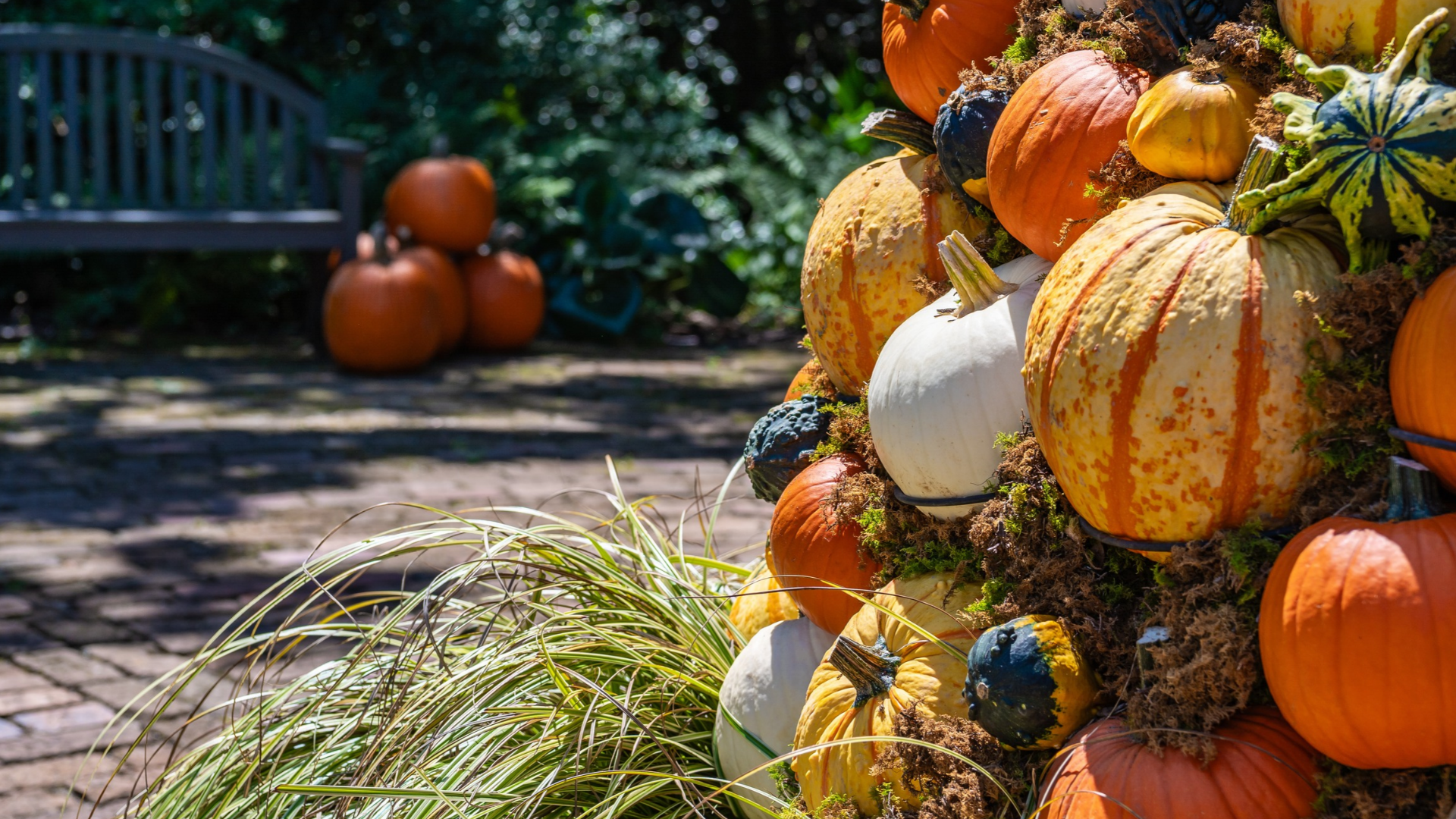
Even more upsetting for all you pumpkin-heads will be the knowledge that some of our most cherished heirloom pumpkin varieties, commonly used these days for decorating front porches in pleasing autumnal shades anywhere from pale orange to green and blue, aren’t even “pumpkins” but a different species altogether (Cucurbita maxima). So, some things we call pumpkins aren’t and some things we don’t call pumpkins actually are. What a world!
There’s even controversy about where pumpkins really come from. Botanists have been in heated debate about their origins since at least 1857, with some insisting that pumpkins are descendants of the wild Cucurbita texana while others staunchly maintain that our beloved Cucurbita pepo came first and that C. texana is really just an imposter that escaped cultivation thousands of years ago. Don’t even get me started on Cucurbita fraterna, the third contender for the title of original pumpkin! While we may never know the truth, one study from 2003 (Assessment of Genetic Relationships in Cucurbita pepo (Cucurbitaceae) Using DNA Markers) concluded that all three species are just subspecies of C. pepo, and most of us are content to just leave it at that.
Naturally, pumpkins have been grown and carefully selected for taste and nutrition by Native Americans for millennia. The oldest verified archaeological evidence dates to around 10,000 years ago in Northern Mexico, though it’s very likely that their culinary history goes back even further. They’re one of the most well-traveled crops in America, having been carried and cultivated all over the continent since time immemorial. There are some good reasons they’ve stood the test of time: they’re pretty, they’re tasty, they’re adaptable, and they travel well. So, as you carve one with a spooky grin, munch some roasted seeds, or enjoy a slice of pie (or a pumpkin spice latte) this season, think back on all the mysteries hiding behind its glowing orange exterior and give thanks to the humble pumpkin.