Purchase Tickets


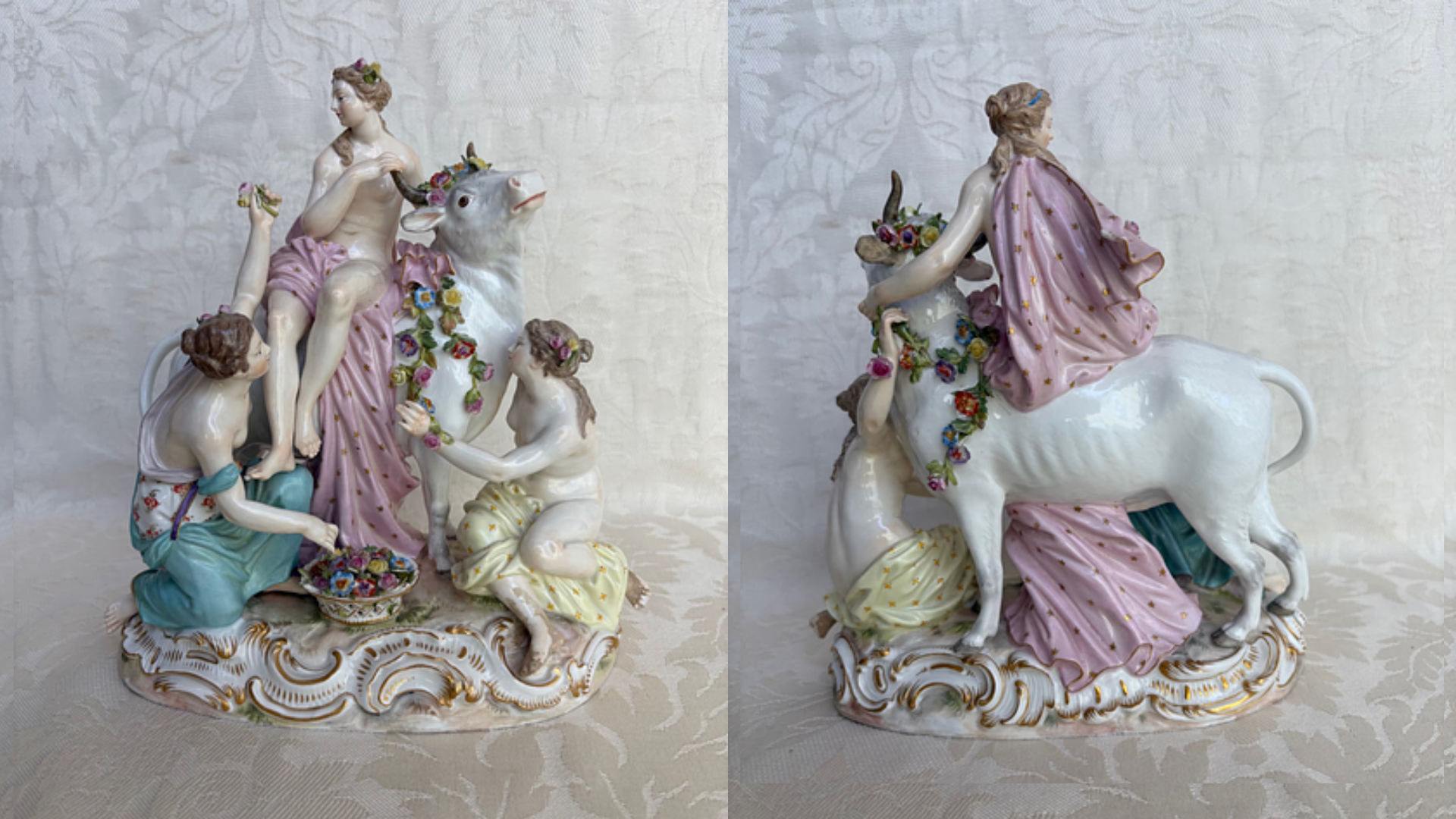
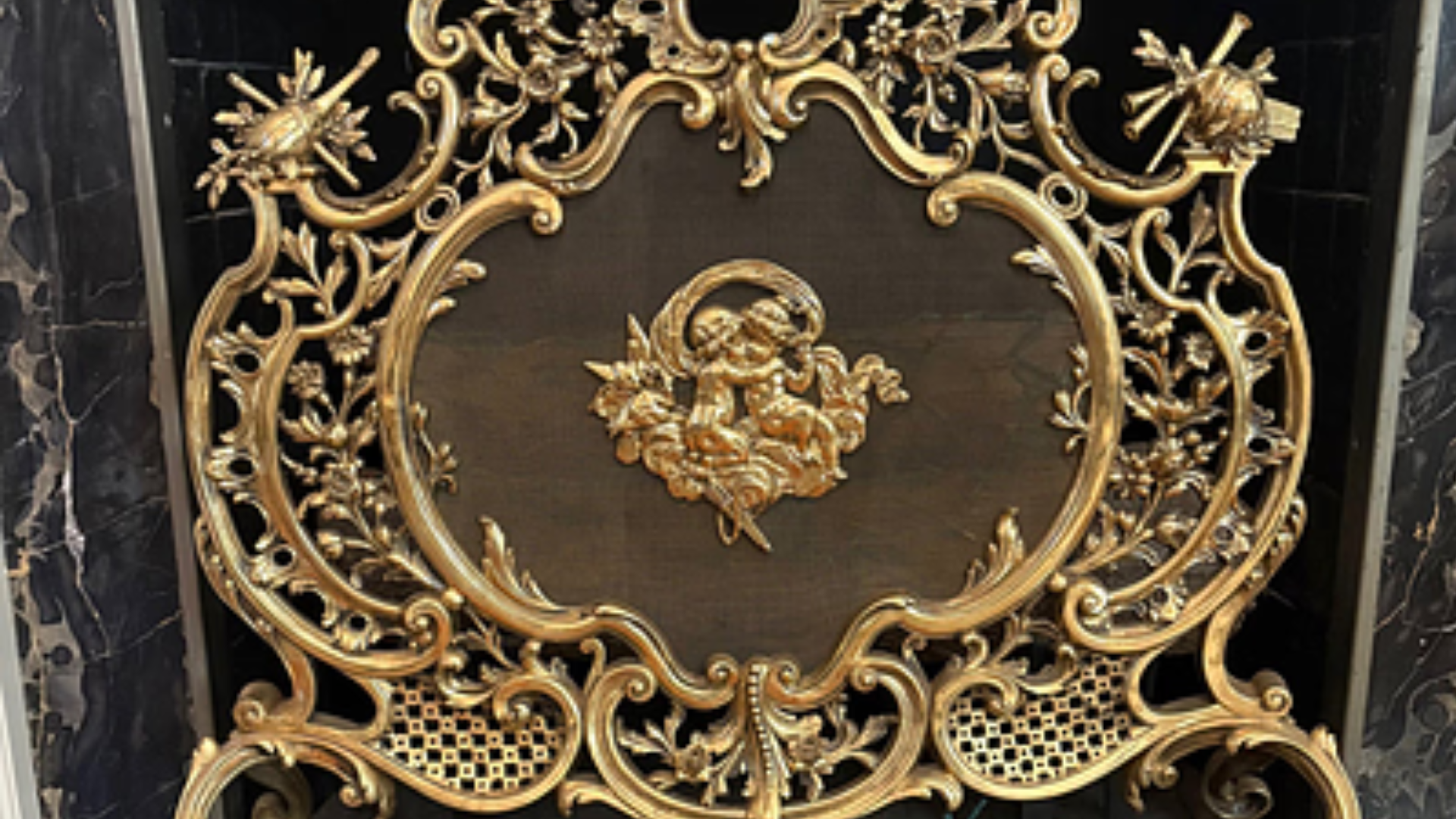
It goes without saying that the Bellingrath Home has one of the most impressive and important collections of antique furniture, silver, and porcelain in the South. Mrs. Bellingrath’s generosity paired with her excellent taste has preserved 19th century decorative arts for generations after her untimely passing.
Though the home was designed, built, and used as a state of the art residence for the Bellingraths; it is now one of the best preserved and most visited house museums on the Gulf Coast. After Mrs. Bellingrath’s passing, Mr. Bellingrath entrusted one of her close friends and antique dealer to make an inventory of her impressive collection in 1943 and then again in 1947. These inventories served as the method for keeping track of large number of artifacts in the home for decades.
The museum’s longtime director, Thomas McGehee, has undertaken a lifetime’s work of properly researching and describing each artifact in the Home. Each artifact was photographed and given an appropriate description. His work has resulted in dozens of binders sorted by the composition of artifacts themselves such as glass, porcelain, metals, wood, etc. This extensive, detailed, and accurate inventory is vital to the continued successful operation of the Bellingrath Home as a museum.
With this in mind, the Bellingrath-Morse Foundation has decided to bring the Home up to the museum standards of the 21st century. The Home has recently begun the long awaited task of digitizing our collection. This is done through a tried and true software known as PastPerfect. PastPerfect was developed nearly thirty years ago and is continually updated to remain the standard for museums. Organizations of all sizes and funding rely on this vital resource to keep their inventories protected from weather extremes, remotely accessible, and easily searchable.
Over this past winter and spring, I have begun to rephotograph every artifact in the Home with a high resolution digital camera and enter the detailed descriptions provided by Mr. McGehee into the PastPerfect program. The digital files on each object are then appropriately catalogued, tagged, filed, and indexed to library and archival standards. Once the project is done, researchers and museum professionals can reference portions of the Bellingrath collection with ease.
This ongoing project helps to update and preserve the Home’s inventory for the benefit of future generations of visitors, employees, board members, and house museums throughout the nation. It is both a pleasure and an honor to undertake this mission.