Purchase Tickets

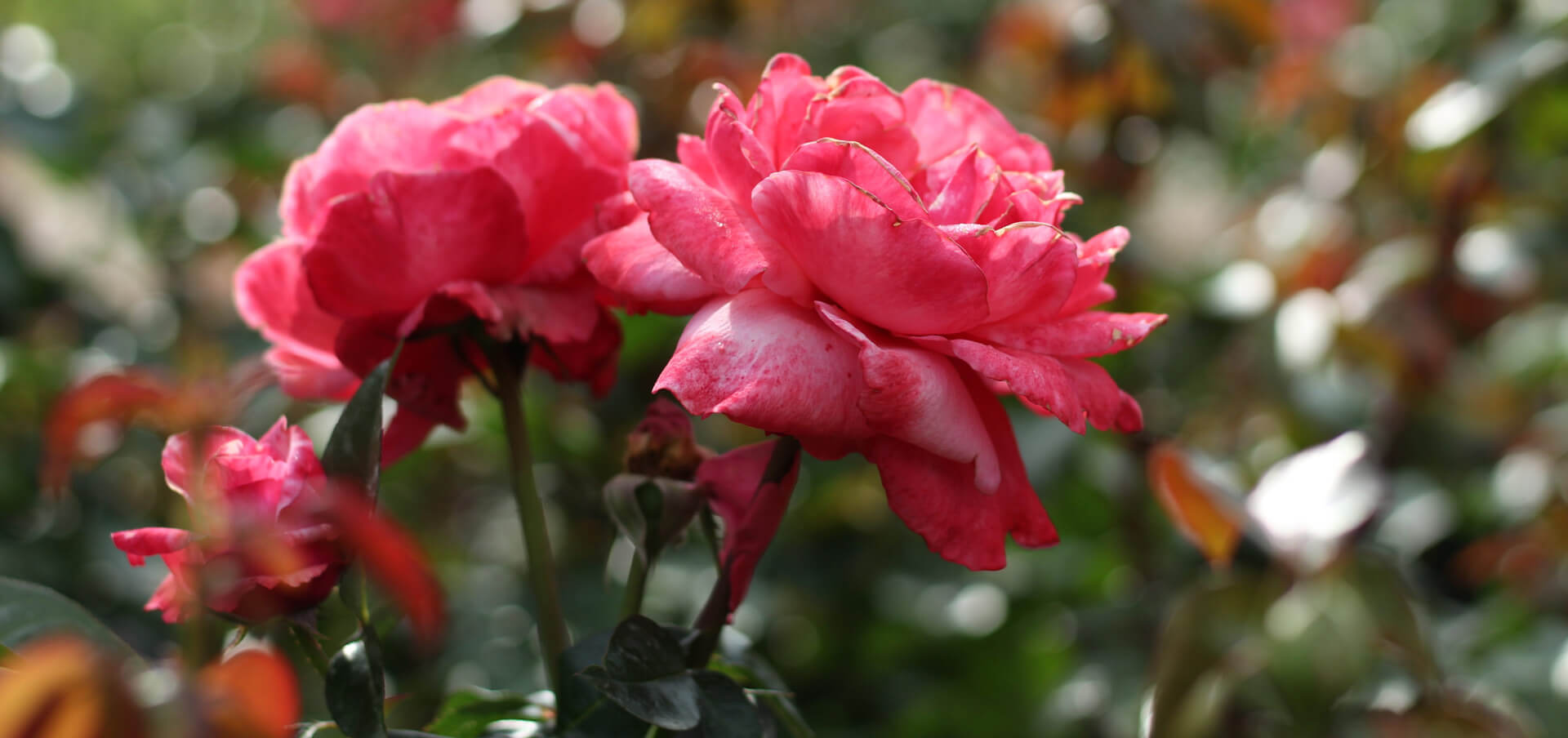
Camellias carry with them the stories of their creators, their origin, their caretakers, and the gardens around them. Camellias secure a sort of unrestricted accessibility across a timeline more far reaching than our own mortality affords. Through it all, Camellias bring people together—past, present, and future.
The Camellia was Walter Bellingrath’s favorite flower. The Horticulture department is in the early stages of rebuilding the Camellia Arboretum that was originally inspired by Walter’s passion for Camellias, and built to honor his legacy. We are adding as many varieties as possible—one at a time. We have amassed several hundred varieties so far…with several thousand to go!
Recovering and reestablishing our collection is a top priority for all the reasons above. As these new plants become established, memories begin to resurface. A bloom might offer more than a burst of color or platform that honeybees do their best work. For many of us, a close examination of a flower results in an experience far beyond chromatic. The blossom resurrects memories from long ago—disjunct and out of focus at first, so many images, feelings, sensations—details so minute you’d have to have been there to know what I mean—all of it…ALL of it…somehow and suddenly reassembled, recollected, reanimated on petals of the past.
And while we are standing there in a translucent state, because a part of us is 20, 40, 70 years in the past, a second honeybee enters the picture, and clumsily bumps into the honeybee that was there first. In the still morning mist, the sound of their midair collision is abrupt but gentle…oddly grounding. Neither bee seems to mind. There’s plenty of pollen to go around—and they pupated just six cells apart. So, they just go about their business (buzzness?). In that moment, we feel we are in the midst of a bigger picture. We consider the miraculous metabolic systems upon which the Camellia gathered and configured and transported the nutrients that culminated in that single flower (that’s where my thoughts drift, anyway), the bees checking off boxes on their daily task list (and do bees actually have knees?), the attenuated sounds permeating the calm saturated air (every…single…sound), the flight patterns of individual aerosolized water droplets (water existing in such a dynamic state that it seems to be animated by a single glance), a dead leaf on the ground (wait, which tree did that come from…I don’t remember that tree growing on this side of Mirror Lake), the luxuriant scent of an Osmanthus blooming somewhere (it’s not important where it grows…that’s not the point). Call it the epitome of distraction or the apex of focus—in an instant, the Camellia brings everything around us to within reach of our senses…and within range of our sentience.
And while we are standing there in a translucent state, because our conscious has apparently left our bodies, we marvel at all the Camellias around us…some larger than life relics of the original Camellia Arboretum, and some diminutive plants staring up at us with nursery tags still attached. Can you imagine what these will look like in a few decades!? Glad you asked. Yes, you can! Camellias invite us to predict the future—projecting each years’ growth and flower display. And we can imagine ourselves or our loved ones thriving and blossoming and growing right alongside the plants. We think through time, and the resultant feeling is just as real as standing in the shade of a tree planted way back when. Camellias are timeless. And while we are standing there in a translucent state, we are timeless too, thinking 20, 40, 70 years into to the future.
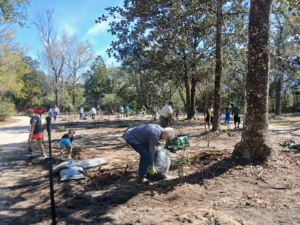
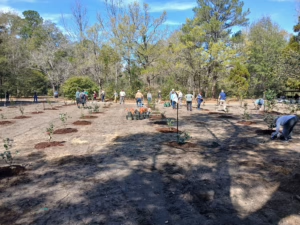
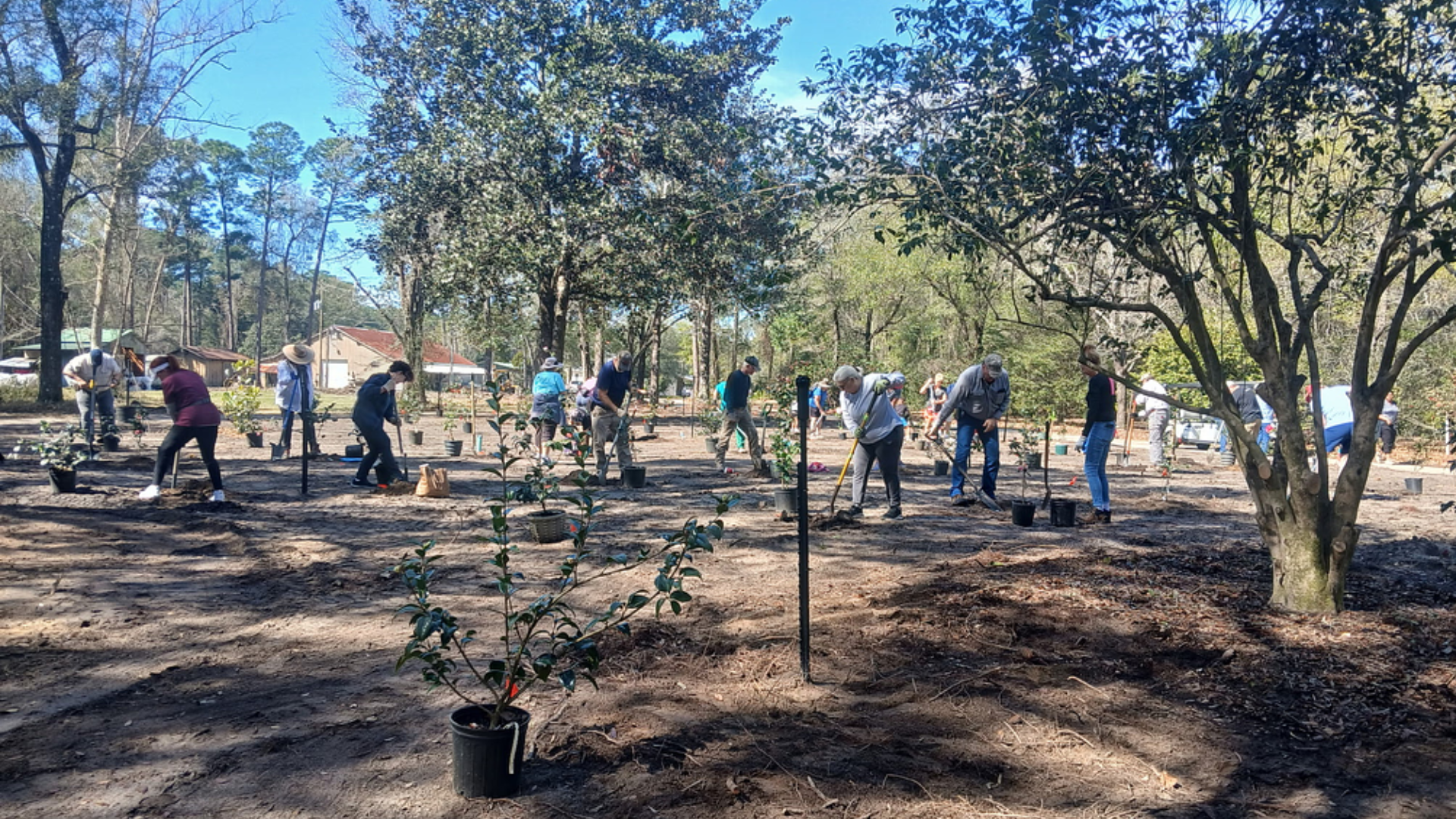
Time to take this article in for a landing. You may have heard—on February 28th, 47 people gathered in the Camellia Arboretum and picked up shovels—members of the Camellia community alongside the members of Bellingrath Gardens. In front of them were about 100 Camellias in a 12,000 sq’ slice of the Camellia Arboretum. The plants were strategically arranged in a 14’ x 8’ grid. We had previously darkened the soil by adding 150 cubic yards of compost and a coat of matte black paint was still drying on recently glued irrigation risers. The atmosphere was electric as people from 5 to 85 years old had gathered together in anticipation of what was about to happen. And in a matter of minutes it was over. All this talk of Camellias and time…it seemed to happen in an instant, but just like that, the first significant Camellia Arboretum planting in at least 50 years was over in 40 minutes. Planted and mulched…signed, sealed, delivered.
47 people came together 47 years after Hurricane Frederic shuddered the Camellia Arboretum. Some people came because their grandparents loved Camellias. Some people participated because they had the opportunity to plant their favorite plant into their favorite garden. Some people joined us because they were here with their grandparents—and at 5 or 6 years old, one has limited input into their daily schedule. If you weren’t there, I wish you were. There is so much I want to illustrate for you…details so minute you’d have to have been there to know what I mean. But there is one experience upon which I simply must expound: the sound. The sound of 47 shovels simultaneously lancing the ground…neither softer or louder than the voices of those operating them. A shovel making contact with a brick or root, overlapping and barely discernible fragments of reminiscent stories shared of gardening past, a botched plant name read aloud, the light thud of a shovelful of dirt landing next to a 3 gallon pot-sized hole, the same plant name botched for a second time but now cast with an air of confidence, strong opinions from a small murder of crows, something about an Alabama sports team doing sports, a shovel stabbed into the ground to stay upright quickly followed by the sound of a shovel handle hitting the soft ground, laughter, a helicopter going overhead on its way somewhere, someone slapping the side of the pot in an effort to introduce a Camellia to Bellingrath soil for the first time, a bag of pine bark mulch being torn open. To be immersed in the bustle was so satisfying, so deeply nourishing, so timeless…I will never forget those 40 minutes. Camellias will continue bringing people together at Bellingrath Gardens—the legacy of Walter and Bessie retold with the opening of every flower.